
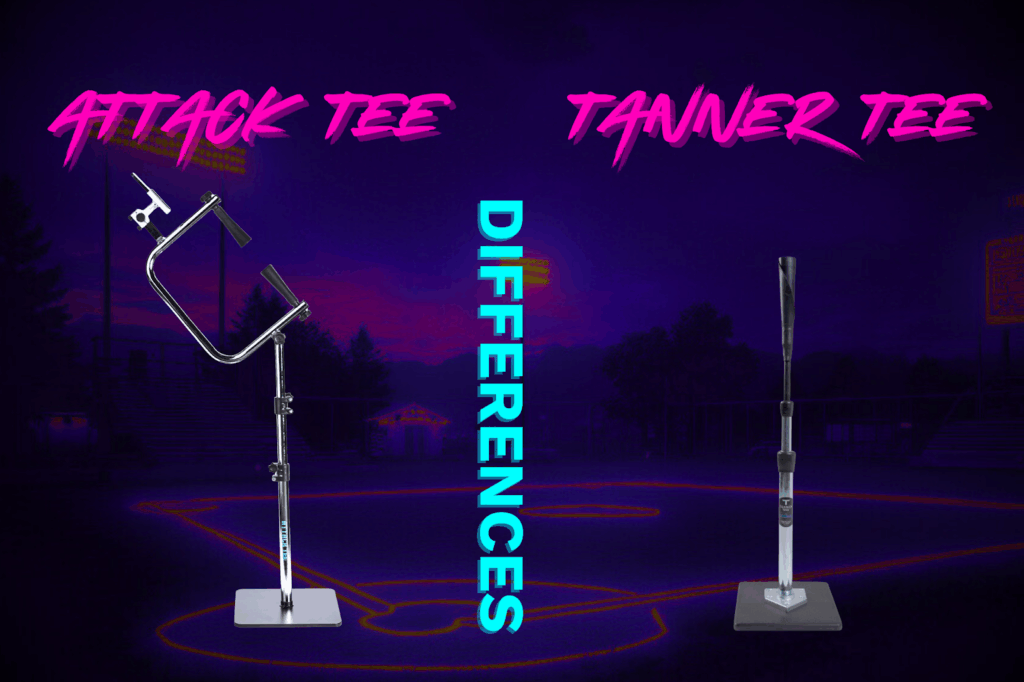
Quick Answer: Understanding the Key Differences
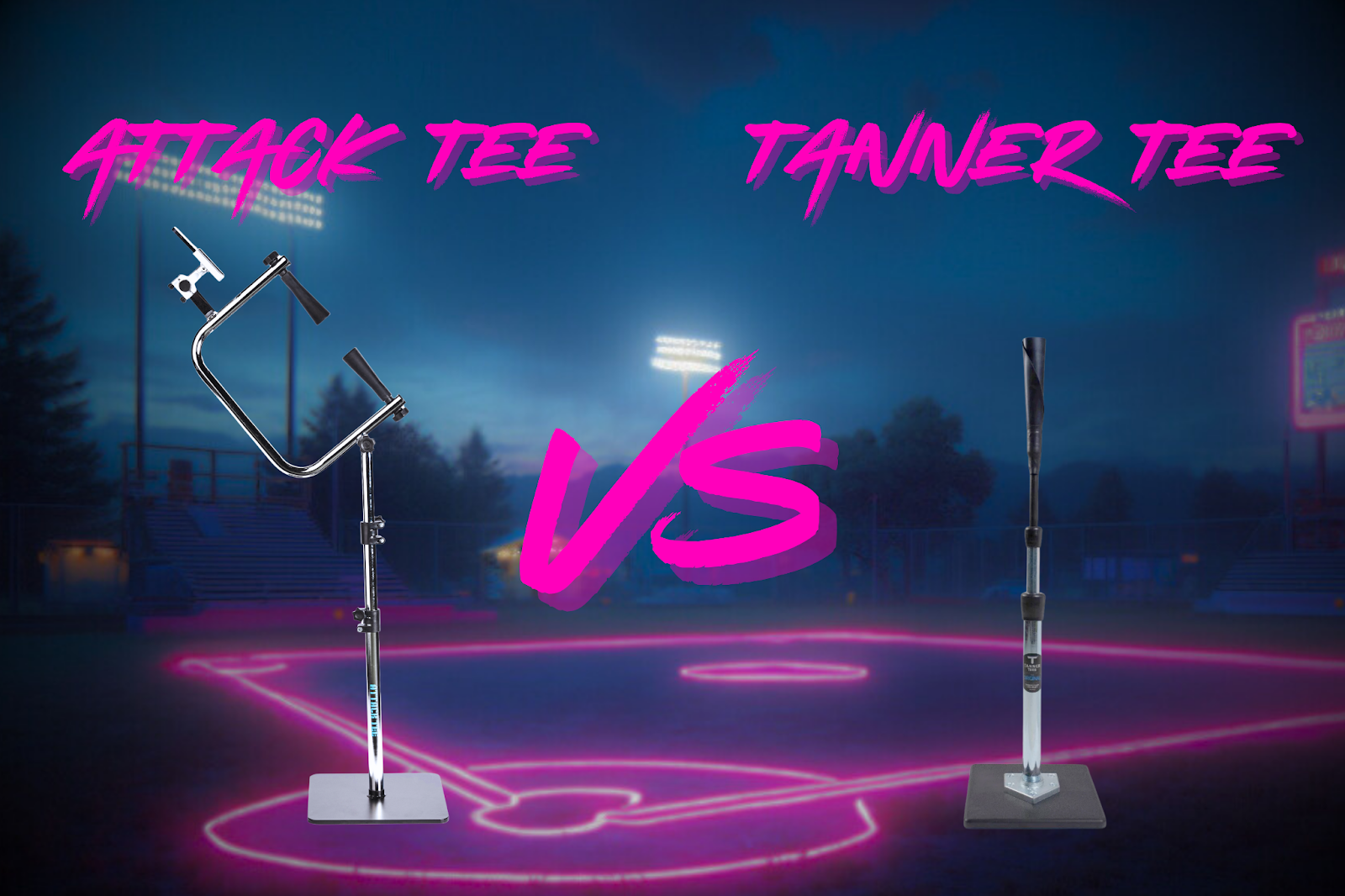
The main differences between Tanner Tee and Attack Tee center on design philosophy, technology integration, and training capabilities. While Tanner Tee maintains its 1970s-era fixed-angle design, the Attack Tee introduces adjustable swing plane technology, digital coaching tools, and superior stability engineering. These differences translate into measurable training advantages that serious players can’t ignore.
The Evolution Story: Why These Differences Matter Now
Tanner Tee: The Traditional Standard
Since the 1970s, Tanner Tee has served as baseball’s go-to training tool. Its simple design—a rolled up rubber cup on an adjustable pole—helped millions learn to hit. But simplicity that worked in 1975 doesn’t always meet 2026’s training demands.
Attack Tee: The Modern Response
Attack Tee emerged when engineers asked a crucial question: What if a batting tee could actually teach proper mechanics instead of just holding a ball? The result transforms passive ball support into active skill development.
Core Design Differences: Traditional vs Revolutionary
The Foundation: How Each Tee Stays in Place
Tanner Tee Designs:
- Original model: 6 pounds with lightweight plastic square base
- Heavy model: 10 pounds with 3-point base stabilization
- The Original model requires supplemental weighting (sandbags/dumbbells) during most sessions
- Triangular base on Heavy version distributes weight upward
Attack Tee Engineering:
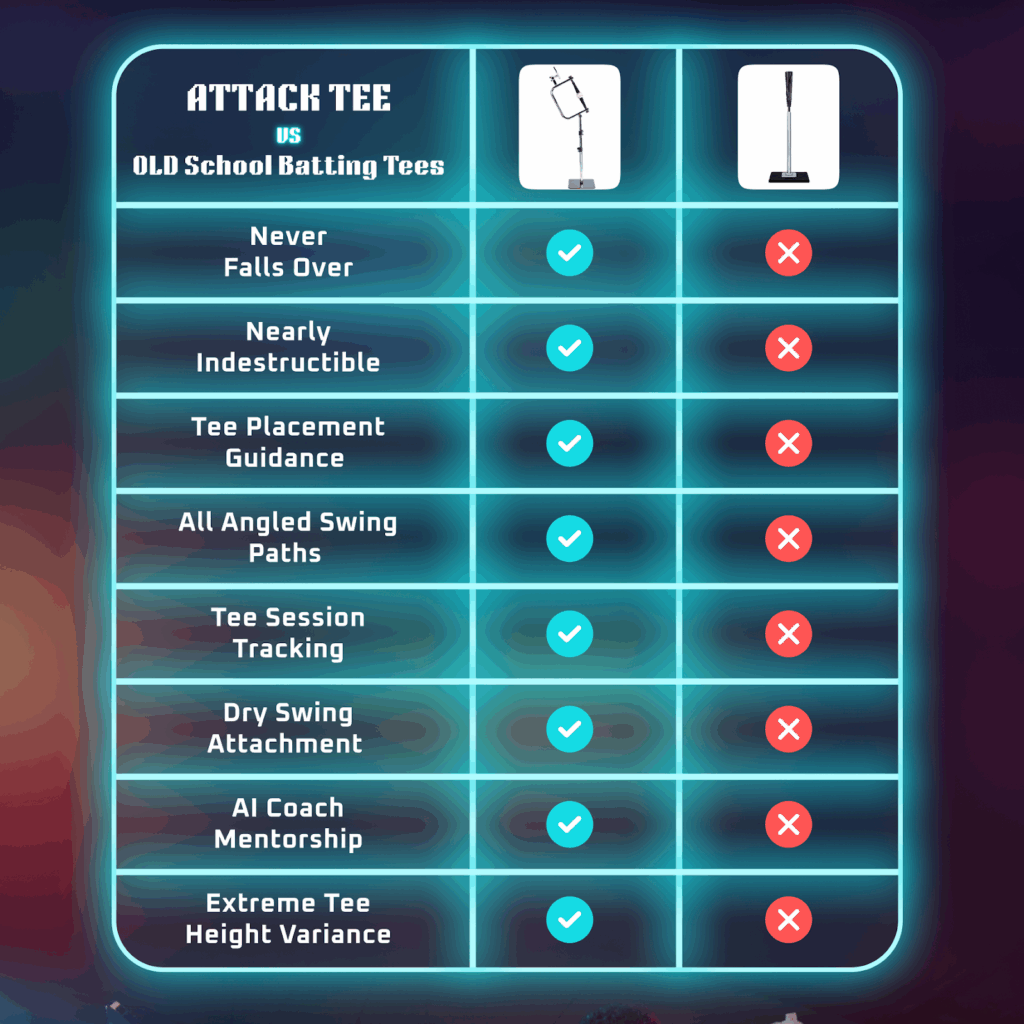
- Single model: 17.2 pounds of cast-iron stability
- Ground-level weight concentration
- No additional weighting needed–never tips over
- Flat and square base maximizes contact resistance
Real-World Difference: During a typical training session, players reset fallen Tanner Original tees 8-12 times per hour. Attack Tee users experience zero tip-overs, maintaining practice rhythm throughout.
Height Adjustment Differences: Who Can Use Each Tee?
The Numbers That Define Usage
Tanner Tee Height Range: 26 to 43 inches
- Too high for most 5-7 year olds–espcially if they want to work on low pitches
- Maximum height is insufficient for many high school players and above training elevated zone fastballs
- Serves middle-range players well
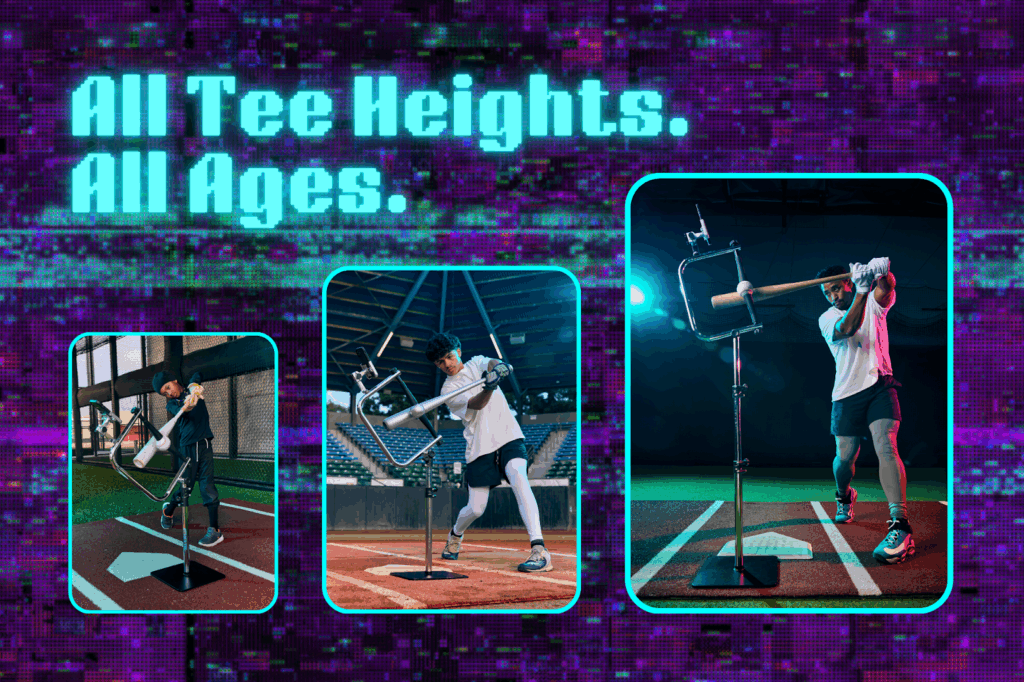
Attack Tee Height Range: 19 to 49 inches
- Accommodates true beginners without any platform modifications
- Reaches legitimate high-strike zones for all older advanced players
- 30% greater total height range adjustability than Tanner
Practical Impact: Youth teams using Tanner Tees often purchase separate “youth tees” or “low tees” for beginners. Older players are forced to stack their Tanner Tees on top of chairs or buckets to train pitches they face more and more these days–fastballs at the top of the zone.
Attack Tee eliminates these workarounds with one comprehensive solution.
The Game-Changing Difference: Swing Plane Technology
How Each Tee Addresses Modern Hitting Science
Tanner Tee Approach:
- Fixed perpendicular ball position
- Same single ball angle regardless of pitch location being practiced
- No mechanical or smart guidance for different pitch zones
- Players must mentally guess to adjust swing planes
Attack Tee Innovation:
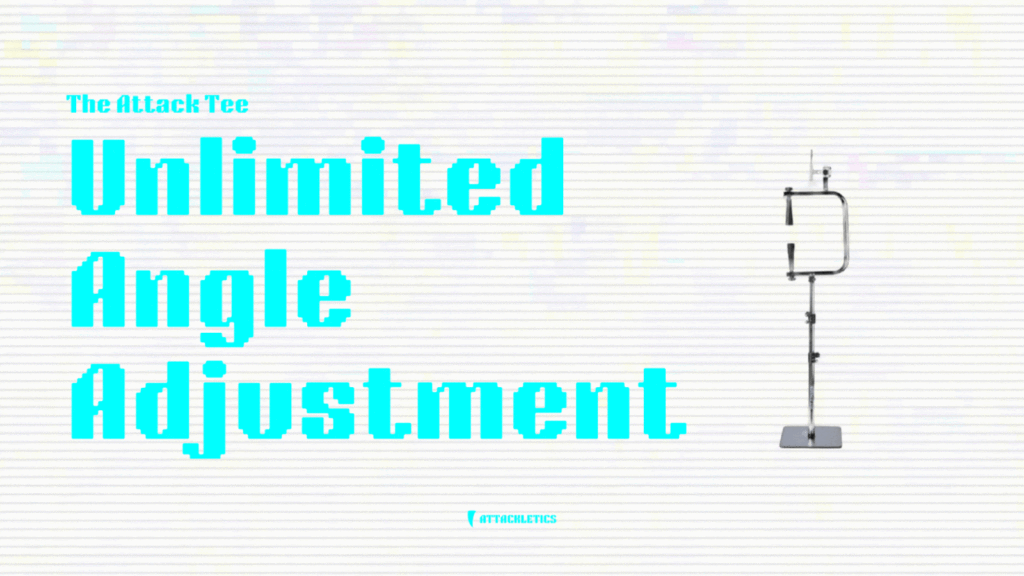
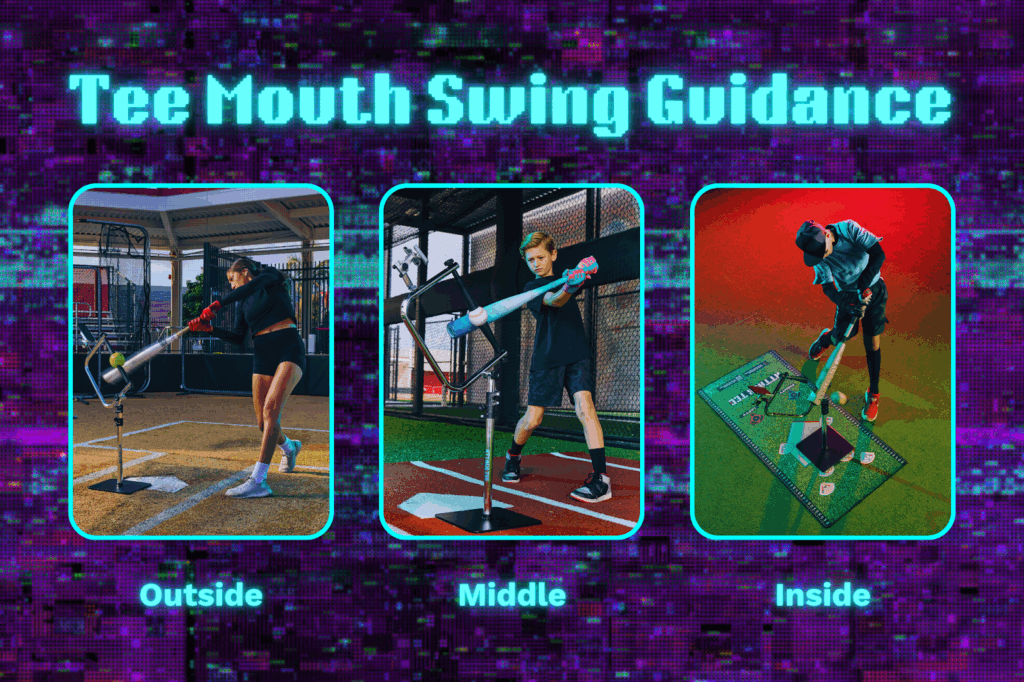
- Unlimited adjustable tee mouth angles and smart guidance to match ideal bat paths
- Different angles for low, middle, and high strikes
- Left/right pivoting for inside/outside directional hitting training
- Physical design itself help groove correct muscle memory
What This Means for Development
MLB data shows optimal bat paths vary by pitch location:
- High pitches need 6-9° upward angles
- Belt-high pitches require 8-11° paths
- Low strikes demand 13-19° attack angles
Attack Tee physically trains these differences. Tanner Tee forces players to figure it out themselves.
Technology Integration: The Digital Divide
Tanner Tee Technology Package
- None
- Training guidance comes from private coaches or guesswork
- No progress tracking
- No visual learning aids
Attack Tee Digital Ecosystem
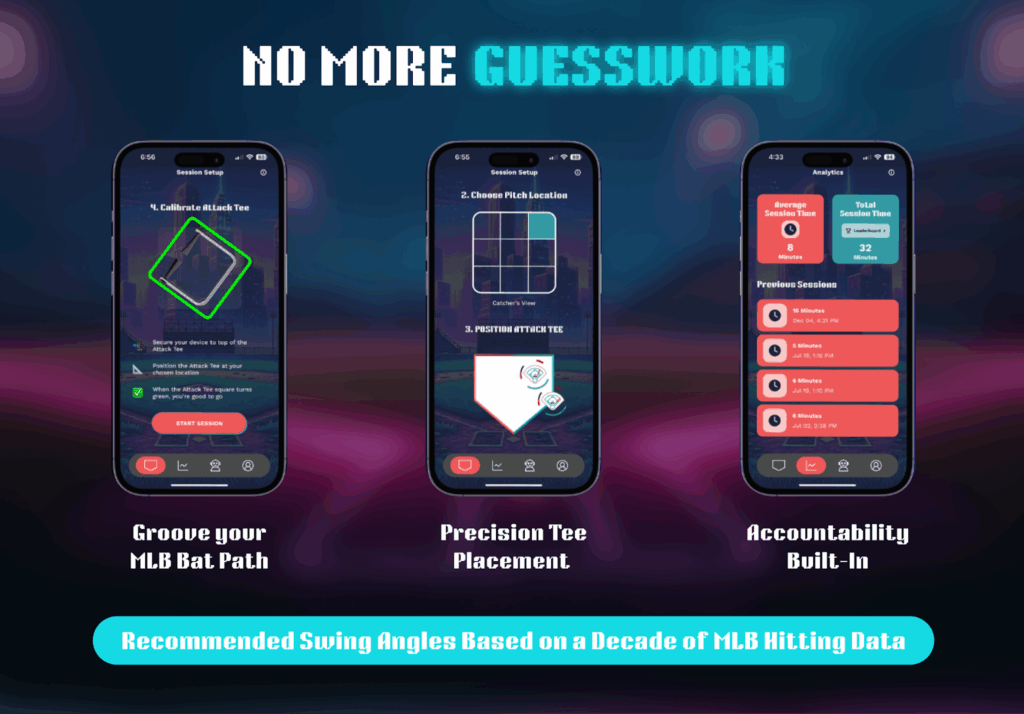
Free iOS App Includes:
- Visual strike zone with exact tee placement (contact point) guides
- MLB-based swing path angle recommendations for every pitch location
- Session tracking and progress monitoring
- Setup instructions eliminating placement confusion
Optional AI Coach ($9.99/month):
- 24/7 hitting guidance and mental game training
- Answers based on millions of professional coaching data points
- Costs 25% less than a single traditional hitting lesson, but it’s unlimited guidance
The Difference in Practice: A 12-year-old training alone with a Tanner Tee guesses at proper setup and swing mechanics. The same player with Attack Tee receives professional-level guidance every swing.
Ball Holder Design Differences
More Than Just Rubber Cups
Tanner FlexTop System:
- Quality rubber construction
- Holds ball adequately
- Provides no mechanical feedback
- Requires $34 replacement every ~3-4 months
Attack Tee Holder Innovation:
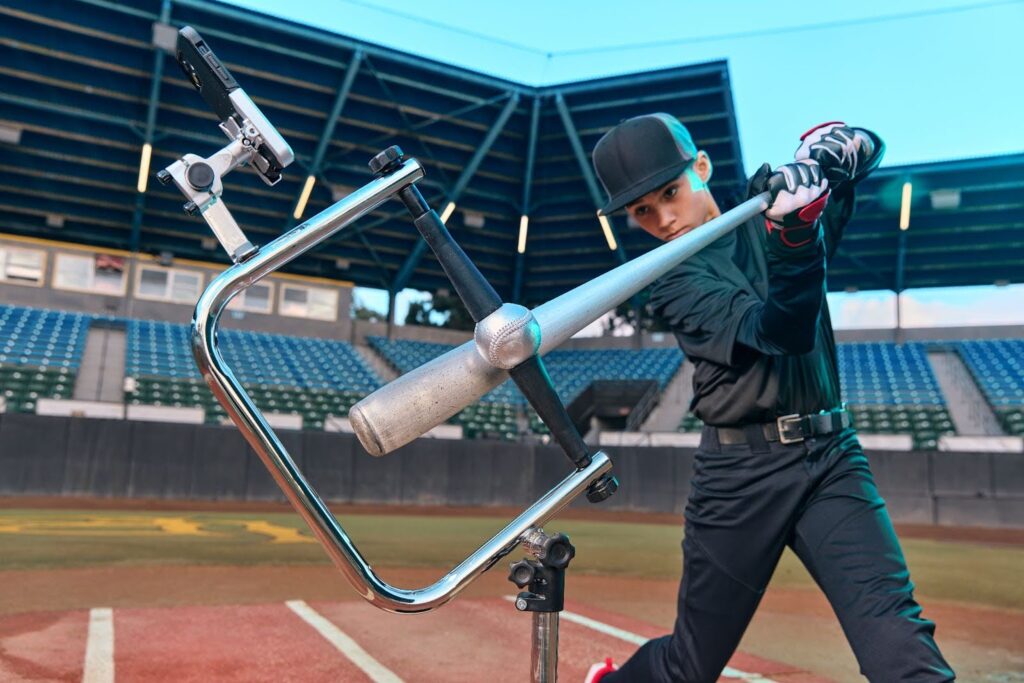
- Directional left and right, all swing angles, and up and down pivot capabilities
- Plane-matching design guides swing path
- Promotes proper swing connection and extension
- Covered under 365-day warranty
Bonus Feature Difference: Attack Tee includes a free dry-swing attachment for ball and net free training anywhere, anytime. Tanner Tee requires balls and netting for every session.
The Price Difference: Initial Cost vs Total Investment
Upfront Pricing
- Tanner Original: $89
- Tanner Heavy: $115
- Attack Tee: $237.97
Six-Year Total Cost Analysis (the average career seasons played by serious ballplayers)
Tanner Tee Expenses:
- Initial tee: $89-115
- FlexTop replacements (12x): $408
- Likely full replacement: $89-115
- Stability accessories: $50
- Total: $636-688
Attack Tee Investment:
- Single purchase: $237.97
- Warranty coverage: Included
- No accessories needed
- Total: $237.97
The Real Difference: Attack Tee costs less over time despite higher initial price.
Portability Differences
When Movement Matters
Tanner Original Advantage:
- 6 pounds travels easily
- Fits in most equipment bags
- Simple setup anywhere
Tanner Heavy Consideration:
- 10 pounds remains is not really made for travel
- Best suited for dedicated training spaces
Attack Tee Reality:
- 17.2 pounds requires deliberate transport
- Best suited for dedicated training spaces
- Stability outweighs portability for serious players
Hidden Differences: The Costs You Don’t See
Time Loss Comparison
Training with Tanner Tee:
- 10 minutes per hour lost to repositioning
- Setup confusion without guidance
- Trial-and-error swing path adjustments
Training with Attack Tee:
- Zero tee repositioning time
- App eliminates all setup questions
- Immediate correct bat paths
Over six years, this tip over or reposition difference equals 900 hours—an entire season of lost development with Tanner Tee.
Making the Right Choice: Which Differences Matter to You?
Choose Tanner Tee When:
- Budget absolutely prohibits higher investment
- Player participation might remain recreational only
- Extreme portability outweighs all other factors
- Traditional training methods satisfy your needs
Choose Attack Tee When:
- Player shows genuine competitive commitment
- Multiple seasons of development ahead
- Mechanical precision matters
- Technology-assisted learning appeals
- Long-term value beats short-term savings
- Professional-quality training drives decisions
Common Questions About the Differences
Q: Is the Attack Tee really worth almost 3x the Tanner Original’s price?
A: Consider total cost. After replacements and accessories, Tanner Tees cost more long-term. Plus, Attack Tee’s training advantages accelerate development, potentially saving thousands in private instruction.
Q: Can’t I just angle my Tanner Tee to match different pitches?
A: No. Tanner Tees don’t adjust attack angles—the ball always sits perpendicular.
Q: Do professional players notice these differences?
A: Absolutely. The angle adjustment capability matches modern training philosophy at baseball’s highest levels.
Q: How important is the app for youth players?
A: Game-changing. It transforms confusing guess-heavy solo practice into smart guided development. Parents report their kids actually want to practice more with clear visual guidance.
Q: Will my child outgrow either tee?
A: Taller kids can outgrow Tanner Tee’s height range by high school. Attack Tee’s 19-49 inch range serves players from tee-ball through college.
The Bottom Line: Understanding What Differences Actually Matter
The difference between Tanner Tee and Attack Tee isn’t just features—it’s philosophy.
Tanner Tee represents traditional training where tee equipment simply holds balls still. Attack Tee embodies modern development where equipment actively improves mechanics.
The Differences That Define Development:
- Stability: Attack Tee’s 17.2 pounds versus Tanner’s 6-10 pounds determines practice quality
- Height Range: Attack Tee’s 30% greater range serves all ages without compromises
- Angle Adjustment: Attack Tee trains real swing paths; Tanner maintains one generic angle
- Technology: Attack Tee provides professional guidance; Tanner offers none
- Durability: Attack Tee lasts careers; Tanner requires regular part replacement
- True Cost: Attack Tee saves money long-term despite higher initial price
Final Verdict: Different Eras, Different Results
Tanner Tee deserves major respect for decades of service. But baseball and softball continue to evolve. Today’s players face pitching complexity that demands equally sophisticated training tools.
The Attack Tee doesn’t just represent an alternative—it represents advancement. Through intentional engineering, intelligent design, and technology integration, it transforms batting practice from repetitive ball-striking into purposeful skill development.
For players content with yesterday’s methods, Tanner Tee remains very much functional. For those pursuing tomorrow’s performance, Attack Tee provides the foundation for accelerated success.
Choose equipment that matches your ballplayer’s ambitions.
Ready to experience the Attack Tee?Discover the Attack Tee difference and understand why serious players no longer settle for yesterday’s limitations when tomorrow’s advantages await.


![[2026 Guide] Best Baseball Tee for 10-Year-Old Players: Science-Backed Analysis & Expert Recommendations](https://blog.attackletics.com/wp-content/uploads/2025/06/attackletics-is-for-hitters-500.png "[2026 Guide] Best Baseball Tee for 10-Year-Old Players: Science-Backed Analysis & Expert Recommendations")