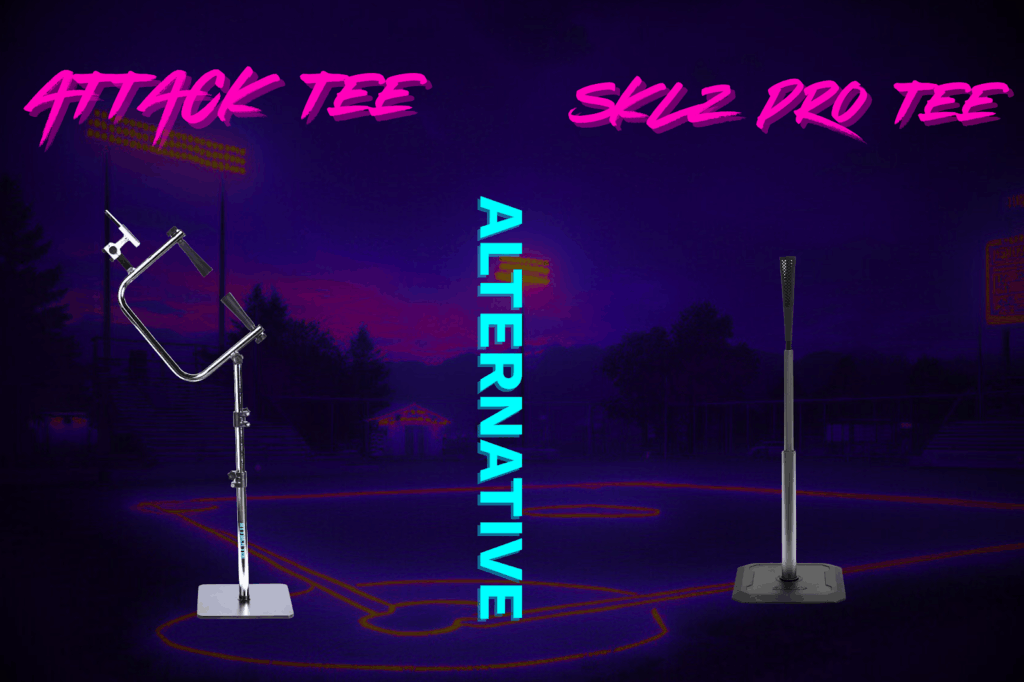
Look, I’ve run a high-performance baseball and softball training facility for 18 years. I’ve watched literally thousands of kids develop their swings, and I’ve tested every piece of equipment that’s come through our doors. When parents ask me about the best SKLZ Pro Tee alternative, I don’t give them fluff—I give them the truth based on real-world testing and player results.
The Uncomfortable Truth About Your SKLZ Pro Tee (And Why You’re Searching for Alternatives)
Here’s what nobody wants to admit: You probably didn’t start out searching for a SKLZ Pro Tee alternative.
You bought the SKLZ because it’s everywhere—Academy Sports, Dick’s, a travel ball tournament vendor’s tent. The snap-lock portability seemed great. The price felt reasonable.
But now you’re here, likely because you’ve discovered what I see every week in my facility: SKLZ Pro Tees sitting in corners with weight plates on their bases, snap-locks that won’t hold height anymore, and frustrated kids whose swings are getting worse, not better.
I’m about to show you exactly why the Attack Tee has become the go-to SKLZ Pro Tee replacement for serious players, and more importantly, why making this switch could be the difference between your kid developing elite mechanics or spending years unlearning bad habits.
The Complete Technical Showdown: Attack Tee vs SKLZ Pro Tee
Let me lay out the raw data first, then I’ll explain why these numbers actually matter for your player’s development:
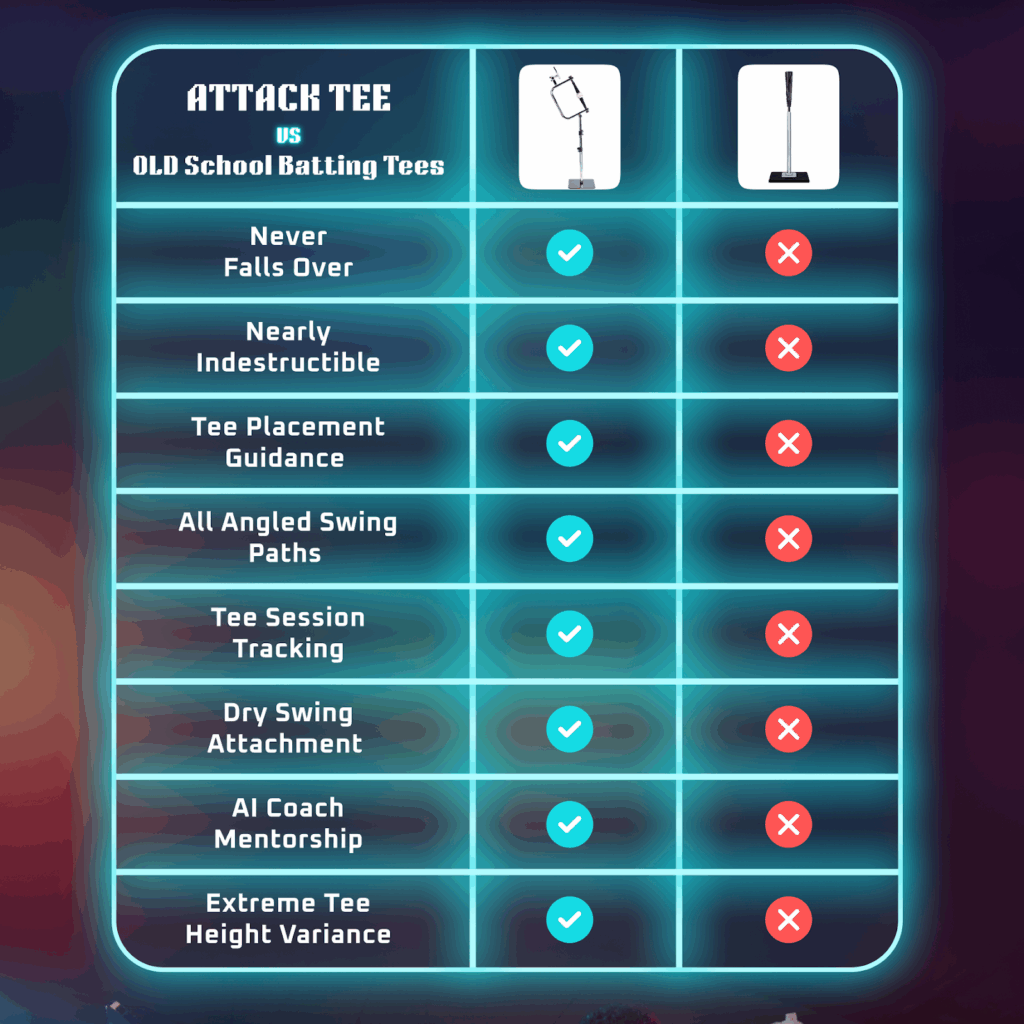
| Critical Specifications | Attack Tee | SKLZ Pro Tee |
| Street Price | $237.97 | $97-140 |
| Total Unit Weight | 17.2 lbs (all iron) | 7-8 lbs (mixed materials) |
| Working Height Range | 19″-49″ (30″ total) | 23″-48″ (25″ total) |
| Base Material | Cast iron platform | Rubber weighted square |
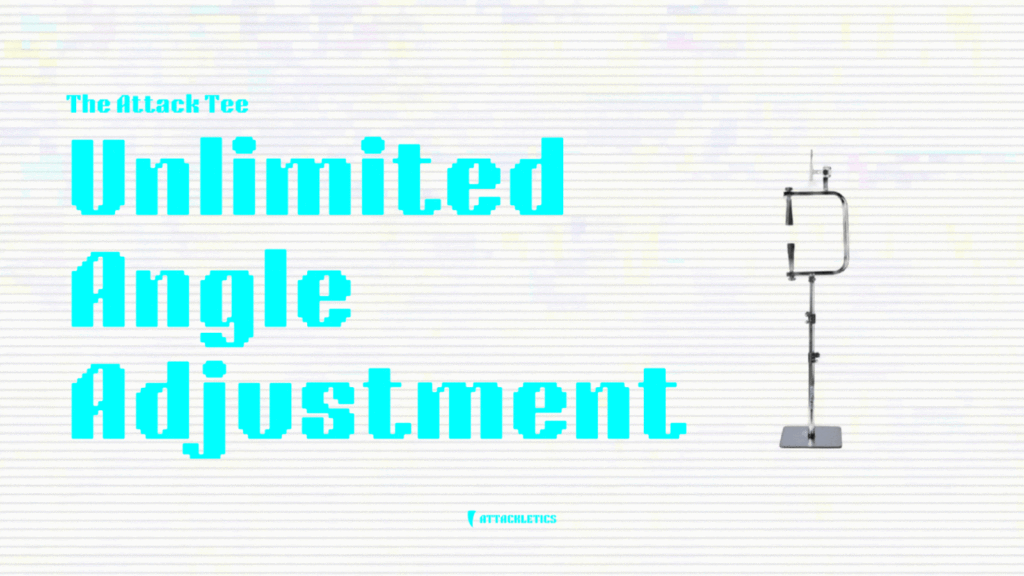
| Angle Adjustment | Infinite variability | Fixed 90-degree only |
| Training Technology | Free iOS app w/ MLB data | Nothing |
| Warranty Protection | 365-day money-back | 1-year limited defects |
| Replacement Top Price | Never needed | $28.99 each |
| Average Lifespan | 5+ years documented | 1-2 years typical |
Breaking Down Every Performance Category That Actually Matters
1. The Height Range Problem Nobody Talks About Until It’s Too Late
SKLZ Pro Tee’s 25-Inch Window Creates Real Problems
Listen, that 23″-48″ range is pretty good compared to some other tees out there.
But it all depends on how young your ballplayer is. Your 6-year-old? That 23″ minimum is just too high for comfortable contact. They’re reaching up, developing a strange uppercut from day one.
Attack Tee’s 30-Inch Range Solves the Entire Journey
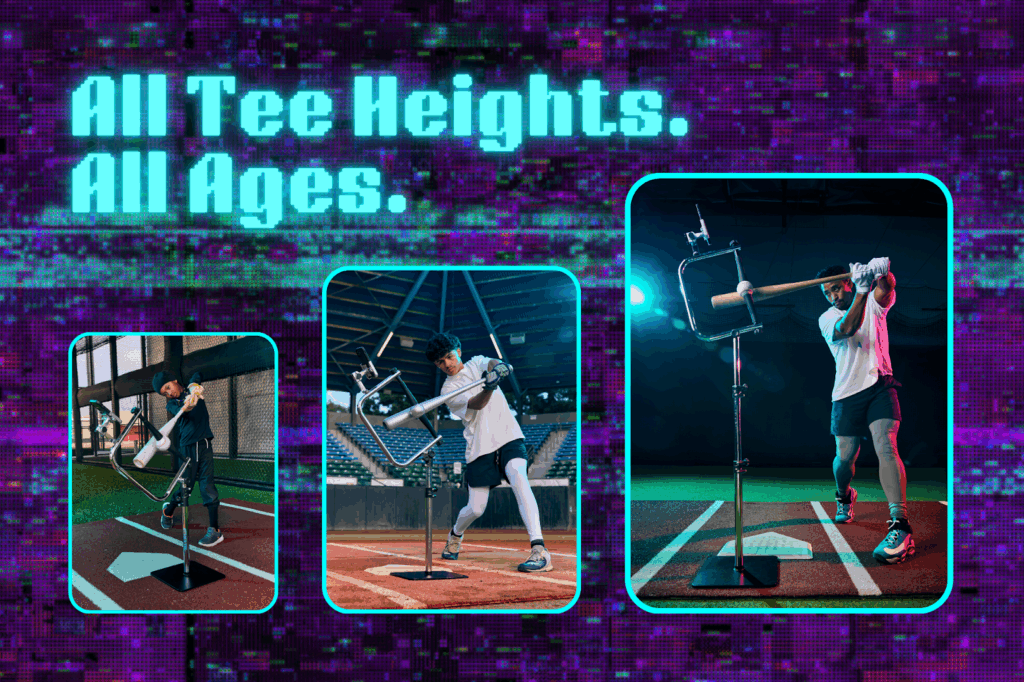
That 19″-49″ spread isn’t just numbers—it’s the difference between buying one tee or 2-3 over a career:
- Ages 4-6 (True beginners): 19″-24″ lets them start with proper mechanics
- Ages 7-9 (Foundation years): 22″-32″ covers their entire growth spurt
- Ages 10-13 (Travel ball): 28″-40″ handles the expanding strike zone
- Ages 14-18 (Varsity/College prep): 35″-49″ reaches every possible pitch
The math is simple: One Attack Tee costs $238. Three SKLZ Pro Tees across different developmental stages? You’re looking at $300-400, plus the hassle of storing or selling the outgrown ones.
Why This Matters More Than You Think: Every time you switch tees, your player has to adjust to different feels, different stability, different setups. That’s valuable adaptation time lost.
2. Stability: Where Physics Destroys Marketing Claims
The SKLZ Pro Tee Weight Problem Is Real
SKLZ markets their 7-8 pound base as “optimum stability.”
Let me tell you what actually happens when a 12-year-old with a -10 bat takes a real cut:
That tee moves. It often tips over. It always shifts.
The snap-lock mechanism that seemed so clever in the store? It develops some play within weeks.
Now you’ve got a wobble on top of the insufficient weight. Some players subconsciously decelerate their swings to avoid knocking it over. That’s not training—that’s developing bad habits.
I keep a collection of “tee accessories” parents have brought in to keep tees like the SKLZ Pro Tee upright: dumbbells, sandbags, weight plates, even cement blocks. All purchased to solve a problem that shouldn’t exist with “professional grade” equipment.
Attack Tee’s 17.2-Pound Foundation: Actual Stability
Here’s the thing about cast iron—it doesn’t move unless you want it to. That 17.2 pounds isn’t arbitrary; it’s calculated to exceed the force generated by aggressive high school hitters by over 400%.
No wobble. No tipping. No subconscious negative swing velo adjustments.
More importantly, the low-profile design keeps the center of gravity right where it should be. Even off-center hits that would topple a SKLZ don’t budge the Attack Tee.
The Hidden Cost of Instability: When players slow their swings to prevent tipping, they’re literally training themselves to hit with less power. That muscle memory doesn’t just disappear when they step in the box.
3. The Angle Adjustment Revolution (And Why Fixed Tees Are Obsolete)
SKLZ Pro Tee’s Single-Plane Prison
The SKLZ Pro Tee, like every traditional tee, offers one angle: straight up. That’s it.
But here’s the problem—baseball isn’t played in one dimension.
When you’re training for a low-and-away slider versus a high-inside fastball with the same upright perpendicular tee angle, you’re forcing your body to make unnatural compensations.
Your kid isn’t learning to hit different pitches; they’re learning to manipulate their swing to make the tee work.
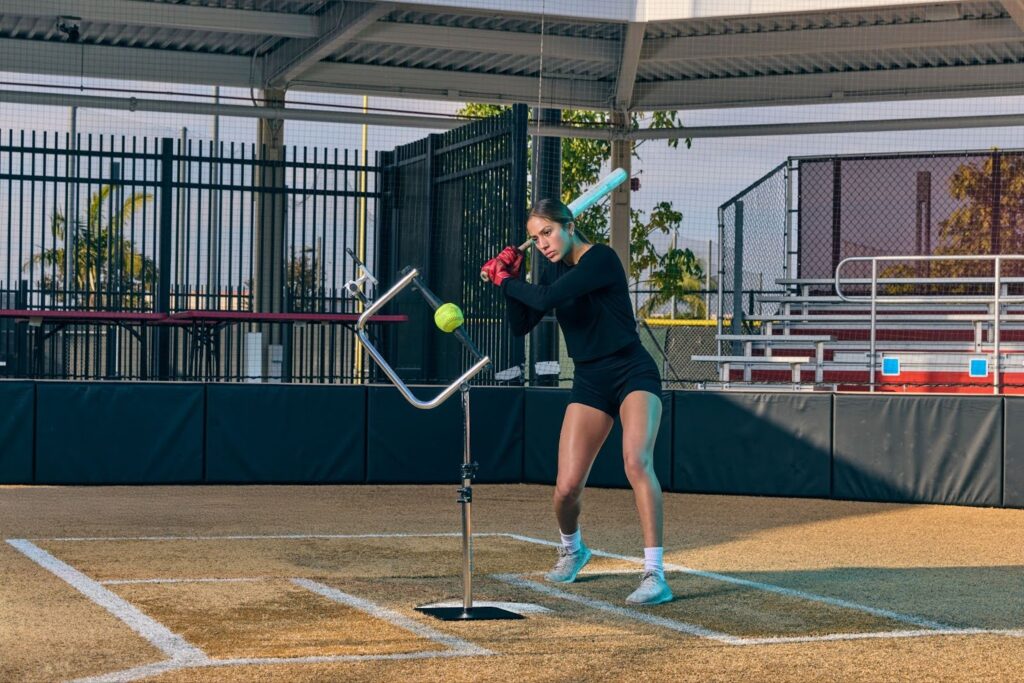
Attack Tee’s Variable Angle System Changes Everything
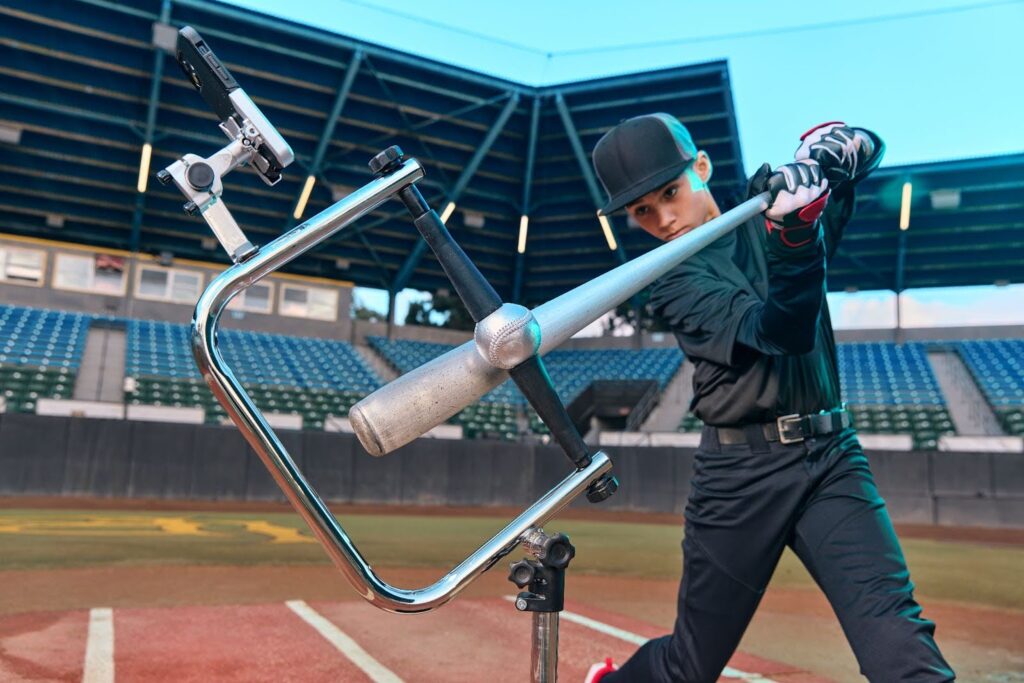
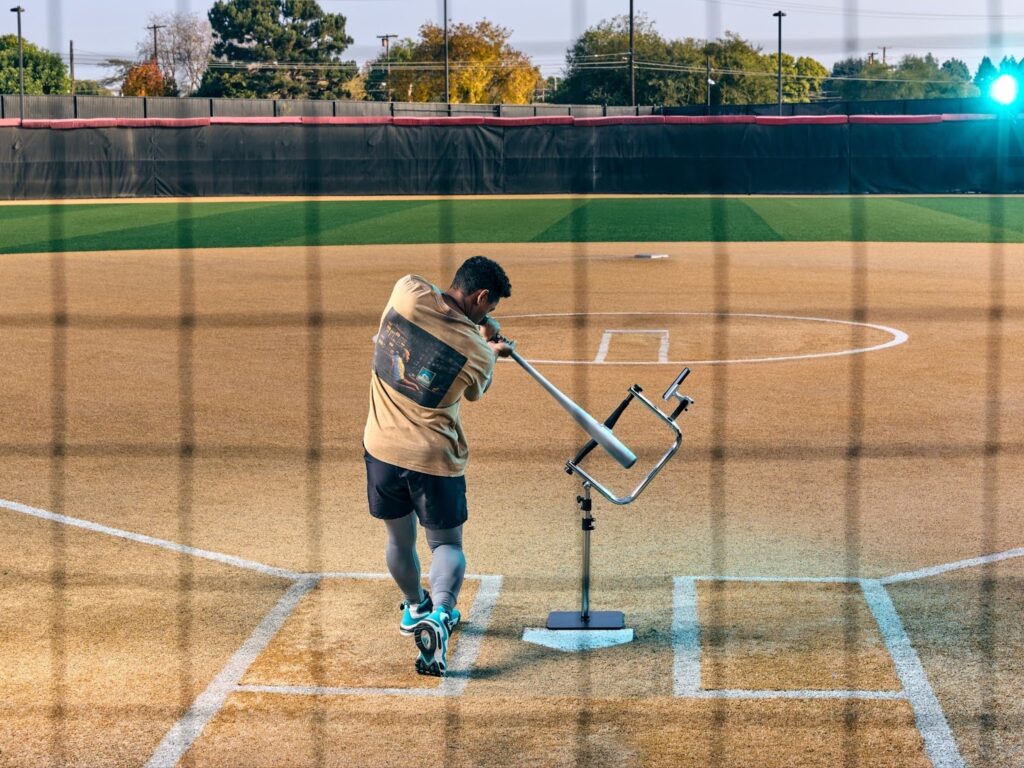
This is where the Attack Tee choice stops being an incremental improvement for your hitter and becomes a different category of training tool.
Based on actual MLB Statcast data from 2024-2025:
- Upper zone fastballs: 6-9 degree attack angle gets you on plane
- Belt-high strikes: 8-11 degrees optimizes contact
- Low breaking balls: 13-25 degrees creates the launch angle you need
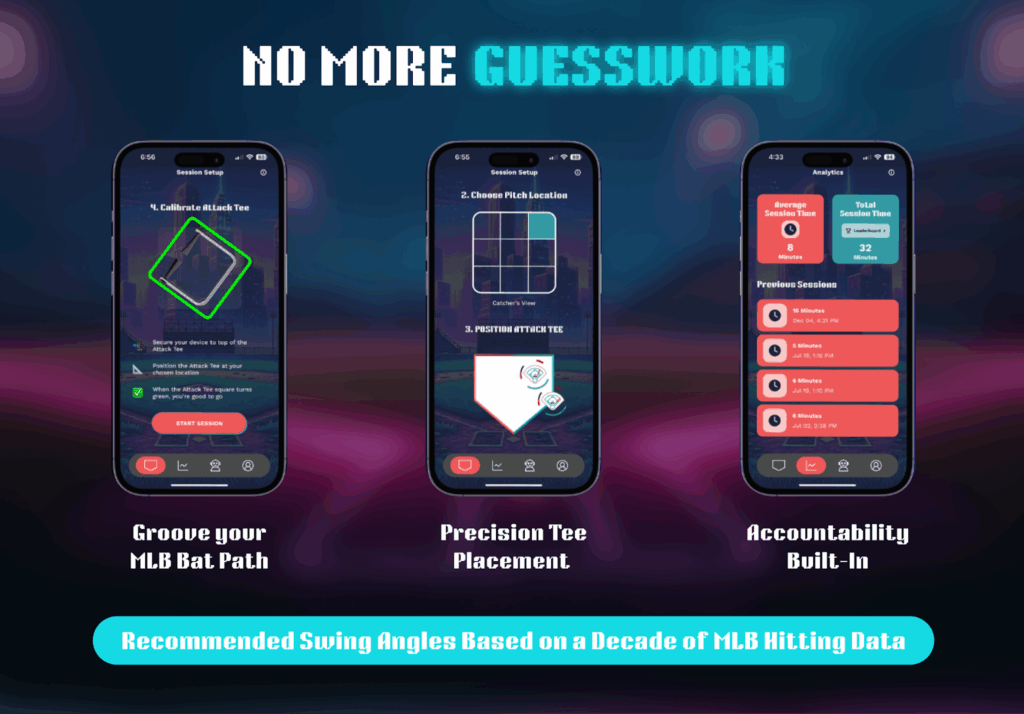
The Attack Tee adjusts infinitely within these ranges. But here’s the genius part—the free iOS app shows you exactly what bat path angle to set for each pitch location you’re training.
Your 10-year-old is literally training with the same biomechanical data used by major league hitting coaches.
Real Development Impact: Kids using variable angle training develop what coaches call “zone awareness”—they instinctively adjust their barrel path based on pitch location. Fixed-angle kids? They’ve got one swing for nine zones. Guess which group succeeds.
4. The Ball Holder Technology Gap That Nobody Discusses
SKLZ’s Conventional Rubber Cup: 1960s Tech in 2025
The SKLZ dual-wrapped top works fine for holding a ball. That’s about where the innovation ends. It’s passive equipment—a ball stand that happens to be adjustable.
No directional guidance. No mechanical feedback. No versatility beyond basic ball placement.
When it wears out (and reviews online and my personal experience confirm it will), you’re spending $28.99 for an identical replacement topper that again teaches nothing new.
Attack Tee’s Intelligent Holder System: Equipment That Coaches
After cycling through dozens of prototypes, Attack Tee created something different:
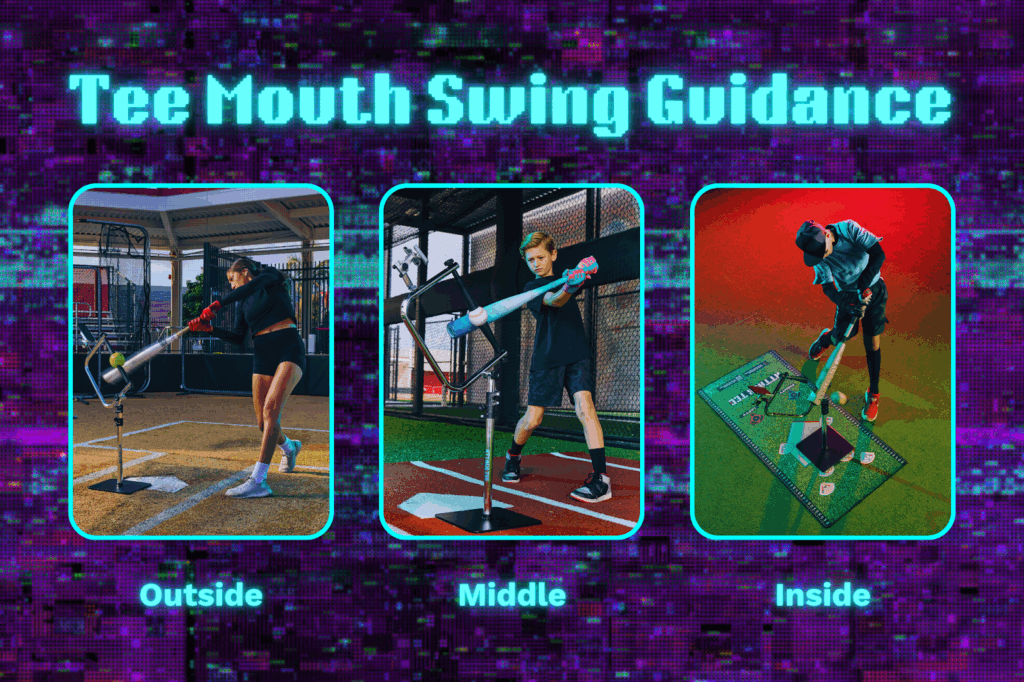
Directional Pivot Feature: The tee mouth also rotates horizontally, physically showing hitters how to approach inside versus outside pitches. Pull the inside pitch, drive the outside pitch oppo—the tee literally guides the barrel path.
Biomechanical Auto-Correction: The angled presentation naturally cues hitters to position their bodies correctly. No verbal cues needed. The equipment design itself becomes the coach, fixing stance and hand path through design.
Dry-Swing Attachment Included: Every Attack Tee ships with a no-ball training attachment. That’s a second training tool included free—perfect for garage work in winter or apartment practice where balls aren’t an option.
The Coaching Cost Factor: When equipment actively teaches, you need fewer private lessons to develop proper mechanics. At $40-$100 per hitting lesson these days, the Attack Tee pays for itself in 2-3 saved instructor sessions.
5. Technology Integration: Welcome to Modern Training
SKLZ Pro Tee: Training Like It’s 1995
Zero technology. No app. No expert guidance. No tracking. You set it up, hope you’re doing it right, and swing away. That’s the same training methodology used when wooden bats were the only option (like when your grandfather played).
Your kid takes hundreds of swings without knowing if they’re reinforcing good habits or bad ones. There’s no objective feedback, no progress measurement, no way to know if those garage sessions are actually helping. It’s pure guesswork.
Attack Tee’s Digital Coaching Ecosystem
The free iOS app transforms mindless repetition into purposeful development:
Visual Setup Precision: Select your stance (righty/lefty), tap the pitch location you want to train, and the app shows exact tee placement relative to home plate. No more guessing where “middle-in” actually means.
MLB Data Translation: Each zone displays the scientifically optimal attack angle based on a decade of Statcast tracking. Your 12-year-old accesses the same hitting intelligence used by professional teams.
Progress Tracking: The app logs practice time automatically. Players see their commitment quantified, building confidence through documented preparation. “I’ve done the work” becomes fact, not feeling.
Optional AI Mental Coach ($9.99/month): For less than one month of Netflix, players get 24/7 access to an AI trained on millions of coaching interactions. Mental game, approach, situational hitting—professional guidance whenever they need it.
The Democratization Effect: Quality hitting instruction costs $60-100 per hour if you can even find it. The Attack Tee app provides professional guidance for every swing, turning solo practice into coached development.
The Financial Truth: Real Cost Analysis Over a Youth Career
What You’ll Actually Spend on SKLZ Pro Tee Ownership
Let’s track actual expenses across a typical 6-year youth baseball journey:
Year 1-2:
- SKLZ Pro Tee purchase: $120
- Stability weights/sandbags: $40
- First replacement top: $28.99
- Subtotal: $188.99
Year 3-4:
- Second replacement top: $28.99
- Third replacement top: $28.99
- Second tee for height limitations: $120
- More stability accessories: $30
- Subtotal: $207.98
Year 5-6:
- Complete replacement (snap-lock failed): $120
- Two more replacement tops: $57.98
- Third tee for advanced training: $120
- Subtotal: $297.98
Total 6-Year SKLZ Investment: $694.95
Attack Tee Total Cost of Ownership
Year 1-6:
- Attack Tee purchase: $237.97
- Replacement parts: $0
- Additional accessories: $0
- Additional tees needed: $0
Total 6-Year Attack Investment: $237.97
The “budget” option costs nearly 3x more while delivering inferior training. That’s not savings—that’s an expensive compromise.
The Development Cost Nobody Calculates
How SKLZ Limitations Create Expensive Problems
When kids train with unstable, fixed-angle equipment, they develop what I call “compensation mechanics”:
- Decelerated swings to prevent tipping
- Artificial barrel paths from fixed angles
- Inconsistent contact points from height limitations
- Reduced confidence from equipment failures
Fixing these ingrained patterns requires professional intervention:
- Initial evaluation: $150
- Weekly corrections (30 weeks): $2,250
- Follow-up adjustments: $450
- Total remediation cost: $2,850 per year
Over a youth career, that’s $8,000-15,000 in additional coaching to fix problems created by inferior equipment.
Time Lost to Equipment Issues
Track the actual practice interruptions:
- Resetting tipped tees: 8 minutes per hour
- Adjusting wobbly snap-locks: 3 minutes per session
- Adding/adjusting weights: 5 minutes setup time
That’s 16 minutes per practice session. Over 6 years of 3x weekly training:
- 16 minutes × 450 sessions annually = 120 hours yearly
- 120 hours × 6 years = 720 hours lost
You’re losing an entire season of development to equipment problems.
Making the Right Choice: Decision Framework
Choose Attack Tee as Your SKLZ Alternative When:
- Player shows genuine commitment to improvement
- Multi-season development is planned
- Quality training matters more than initial price
- Technology-enhanced learning appeals to your player
- You’re tired of buying replacement equipment
- Mechanical precision is a priority
Stick with SKLZ Pro Tee Only If:
- Extreme portability outweighs all performance factors
- Budget absolutely cannot exceed $150
- Player participation is purely recreational
- You enjoy adding weights to equipment
- Fixed-angle training seems sufficient
- Replacing tops regularly doesn’t bother you
The Professional’s Final Verdict
After 18 years of watching families navigate youth baseball, here’s my honest assessment: The SKLZ Pro Tee works for casual backyard fun. But if your kid has any competitive aspirations—travel ball, high school varsity, college dreams—the Attack Tee isn’t just better, it’s essential.
The Attack Tee represents what happens when engineers who understand baseball biomechanics design training equipment. It’s not an incremental improvement over the SKLZ—it’s a fundamental reimagining of what a batting tee should do.
Yes, $238 feels like a lot upfront. But compared to the $700+ you’ll spend on SKLZ products and replacements, plus thousands in corrective coaching, the Attack Tee becomes the obvious financial choice. More importantly, it’s the right developmental choice.
Your kid only gets one chance to build their swing foundation. Don’t compromise it to save $100 today when it’ll cost you thousands tomorrow.
Ready to stop replacing equipment and start developing elite mechanics? [Get the Attack Tee here] and discover why it’s become the standard for serious players.
Comprehensive FAQ: Every Question Answered
Q: Is the Attack Tee really worth 2.5x the SKLZ price? When you factor in SKLZ replacement costs, supplemental weights, and private lessons to fix bad habits, the Attack Tee actually costs less over time. Add in the developmental advantages and it’s not even close.
Q: My kid is only 8—isn’t the Attack Tee overkill? Actually, age 8 is perfect for establishing proper mechanics. The habits formed now determine future success. Better to invest once in equipment that grows with them than buy three inferior tees.
Q: How hard is the Attack Tee app to use? My 6U players navigate it instantly. Select right or left handed, tap the zone you want to practice, follow the visual guide. The optional AI coach speaks in plain language any kid can understand. If they can read a bit, they can use the tee and the app with ease.
Q: Can’t I just add weights to my SKLZ Pro Tee? Sure, but you’re still stuck with fixed bat path angles, limited height range, wearing tops, and wobbly snap-locks. You’re treating symptoms, not solving problems.
Q: Is the 17-pound weight really necessary? Watch a 13-year-old with a -5 bat take a full cut. That generates 25+ pounds of rotational force. Do you want your tee absorbing that energy or moving around?
Q: What’s the learning curve for angle adjustments on the Attack Tee? Zero. The app tells you exactly what angle for each pitch location. Within one session, kids intuitively understand how angles relate to zones. It’s easier than adjusting traditional tee height.